
OVERVIEW
Are you an instrument rated pilot, or a pilot working on your IFR rating, and find that you have not spent any, or at best, minimal times in actual IMC conditions?
Are you an instrument rated pilot, or a pilot working on your IFR rating, and feel that you don’t really know how to “work” the IFR system?
Are you an IFR pilot who has found that you have lost the proficiency you once had, because you have not been able to keep up your IFR skills, and now find yourself in a “catch 22” situation, where you are uncomfortable filing and flying an IFR flight?
Regardless of whether you are an Instrument Rated pilot, or you are working on obtaining that initial IFR rating, if you seek to improve your single pilot IFR skills and confidence, then DSFI is the place to come.
DSFI has five different planned IFR training trips that will give pilots an intense and thorough exposure to the real world of IFR flying. Our “long” course, “ The East Coast IFR Experience ”, is a five-day jaunt that incorporates some of the most challenging approaches and varied flying conditions available anywhere in the country.
If your schedule does not allow that much time, we also have two different two-day courses: “ The ‘Narly New England , IFR ”; and “ Into the SFRA, IFR ”; as well as a three day trip into the “Canadian Maritimes IFR“. These trips incorporate many of the aspects of the full East Coast trip, to give the pilot an excellent IFR experience. DSFI will also customize trips to meet your needs. If a client wishes, we can wait until the day of the trip and then head to areas where IMC conditions will be experienced. We also have a variety of half-day and one day itineraries that can provide excellent challenges and learning opportunities.
During our trips, many, if not all, of the following things will be addressed:
- Tools for improving situational awareness
- Effective tools to “stay ahead”
- Effective communication
- Managing the automation
- Managing customized avionics installations
- Amending the Flight Plan…in flight
- Dealing with the “Lost” Flight Plan
- Negotiating with ATC…in flight
- Negotiating the weather… in flight
- Using “In-cockpit” weather
- Belt and Suspenders: Backing Up the GPS
- Flying with failed instruments / avionics
- Getting Organized: Enroute, now what?
- Intercepting Victor Airways with the Garmin C1000/750/650/530/430
- How to best utilize the GPS “flight plan”
- Behind on the Approach: How to get ahead
- Unexpected holds
- Departing IFR: No tower, no FSS, no RUSH!
- Interpreting/using weather charts
- Establishing your personal minimums
IFR training with DSFI will definitely give you the skills and confidence required for safe, single pilot IFR flying. In recognition of this the AVEMCO Insurance Company recognizes DSFI courses for its Safety Rewards Program annual premium credits. Pilots that are insured by Avemco may qualify for a 5% premium credit on their insurance policy upon completion of DSFI training trips.
THE AIRCRAFT
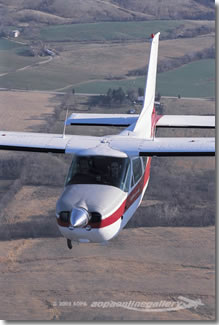
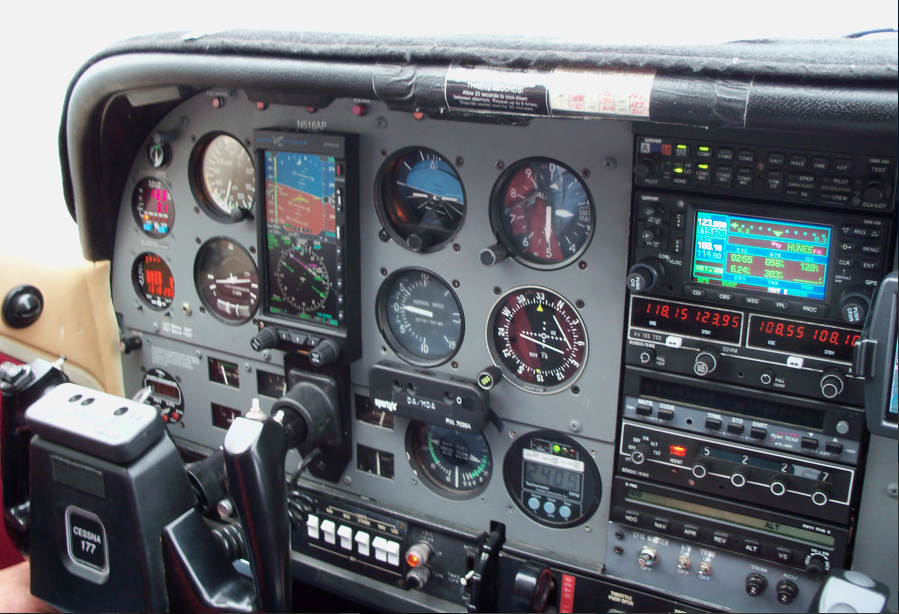 You can take the training in either your own airplane or in DSFI’s Cessna C177 Cardinal RG (retractable gear). It is well equipped for IFR flight, including an Aspen Pro1000 EFD, a Garmin 430W (WAAS equipment means you can fly LPV approaches to many airports), and an Stec 55X auto-pilot. The airplane has a GARMIN 345 XPDR that provides inflight traffic and ADS-B weather. In addition, a Garmin GDL 51 receives Sirius XM weather that displays nexrad radar, metars, tafs, winds aloft, echo tops, storm cells, and much, much more. DSFI also brings an iPad with Foreflight and and Jeppesen on all flights providing weather, traffic and flight planning information as well as Jepps charts. The Cardinal also has a JPI 900 engine monitor to keep tabs on all engine systems and fuel monitoring, along with CIES fuel senders providing accurate fuel quantities.
For those unfamiliar with the Cardinal it is one of the roomiest, and definitely the sweetest flying, single engine aircraft that Cessna ever made. With a 200 HP Lycoming engine, we’ll flight plan for 137KTS, while burning only 9 gal/hour. It’s useful load is such that we’ll always be able to start each leg with full tanks ensuring more than adequate reserves.
DSFI can bring weather avoidance equipment to your own airplane using the iPad with Foreflight and Stratus! The only requirement to receiving the training in your own airplane is that you have a heated pitot tube. Some of the aircraft that pilots have used for our training include: Columbia 400; Cirrus SR22; Pilatus PC-12; Cessna T182T; Mooney Acclaim; Bonanza G36: plus Conquests; Navajos; Senecas; Saratogas; Bonanzas; Silver Eagles; Skylanes; Skyhawks: Comanches; Archers; and others.
THE INSTRUCTOR
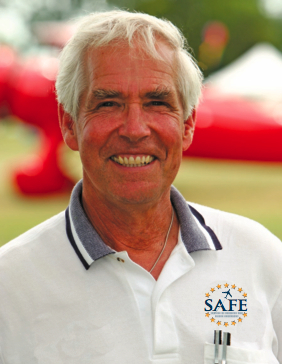 The instructor is eleven time Master CFI Doug Stewart. Doug has logged over 13,000 hours of instruction given, and over 5,600 hours of that has been instrument instruction.
He has been flying the East Coast for many years in aircraft as simple as an Aeronca Champ (that he used to ferry every spring and fall between Massachusetts and Florida), to the Piper Malibu/Mirage (which served as a “snowbird”, shuttling between Gt. Barrington, MA and Palm Beach, FL during the winter and flying a regular route through New England during the rest of the year), and a Piper “Panther” Navajo flying regularly between Hudson, NY, St. Augustine , FL , and Madison , WI.
THE ITINERARY
For a complete description of each trip, including full itineraries, maps, and schedules, click on the title abbreviation.
The “ EAST COAST IFR EXPERIENCE ” ( ECIE ) is a five -day trip that flies the entire length of the East Coast. It is difficult to fly a round-trip flight from Maine to Florida without experiencing IMC conditions somewhere along the route!
The “ ‘NARLY NEW ENGLAND , IFR ” ( NNEI ) is, in essence, the last two days of the ECIE. From low, coastal marine layers, to fogged in river valleys in the White and Green mountains, this trip will hone your IFR skills!
On the “ INTO THE SFRA, IFR ” ( ITSI ) the first day follows the Appalachian mountain route of the ECIE and the second day returns home with a stop inside the Washingon, DC Special Flight Rules Area (SFRA). Please do not expect to see F16s!
Flying in the “CANADIAN MARITIMES, IFR” (CAMARI) will virtually guarantee some IMC time. After flying the first day of the NNEI we’ll head to Northern Maine before heading east into the Maritime Provinces, stopping for the night at Sydney, Nova Scotia. The last day brings us home to 1B1. We’ll need to make sure the pitot heat is working for this trip!
A TYPICAL DAY OF TRAINING
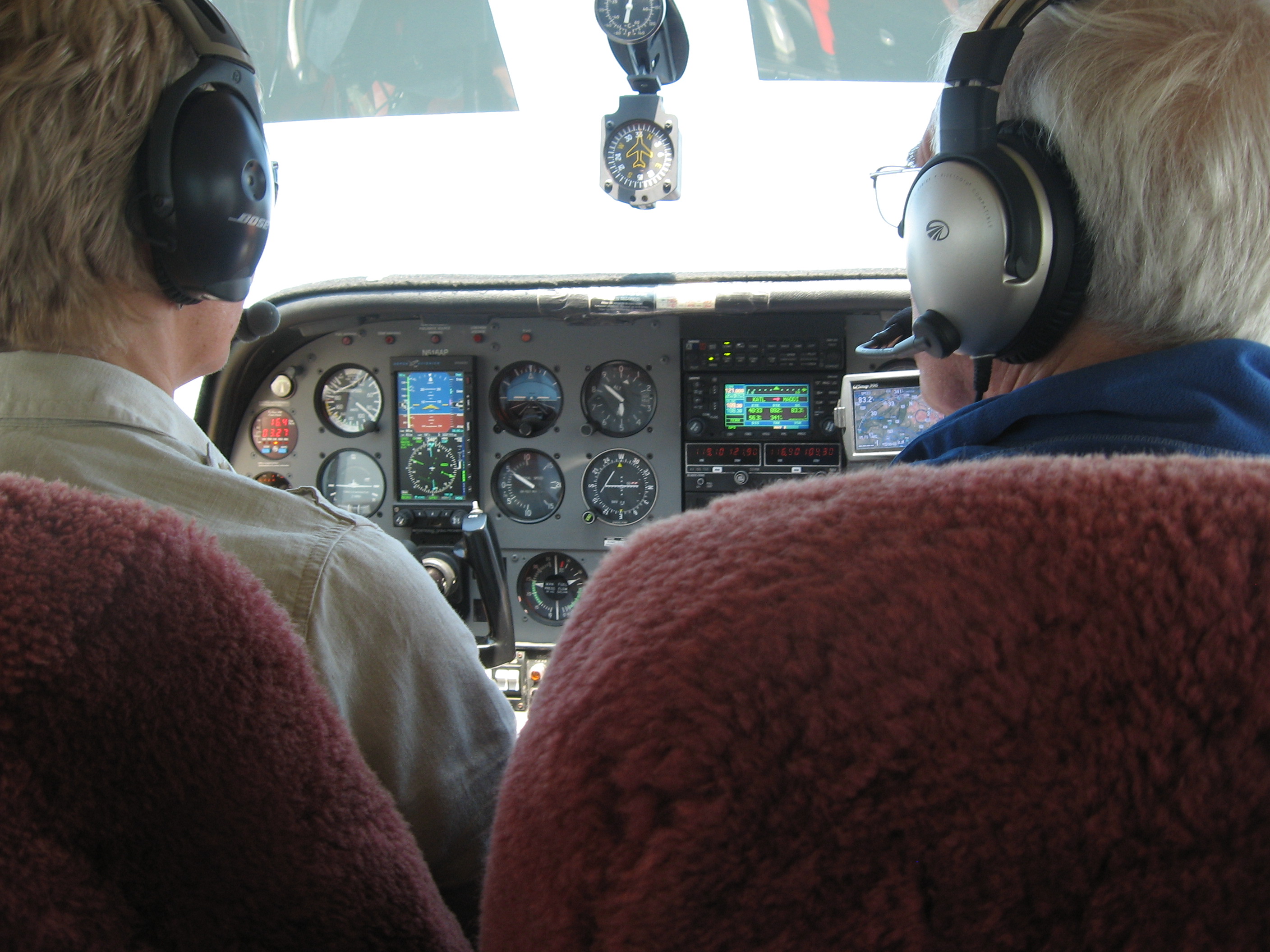
A typical “day” of training averages 12 hours starting at 7:00AM when you’ll meet with Doug for Breakfast and brief the day’s weather and approach challenges and file the flight plans for the morning’s itinerary. During the lunch stop you’ll spend much of that time with Doug, de-brieifng the morning’s activities, checking the afternoon’s weather and filing flight plans for the afternoon’s itinerary. The “day” ends after dinner in the evening during which you’ll go through a thorough de-brief of the day as well as discussing the challenges you’ll face the following day. Most trips average 6 hours (or more) of flying per day with anywhere from 4 to 7 approaches
THE COST
If you choose to train in DSFI’s well equipped Cardinal RG the rate is $365 per hobbs hour for the flying portions and a flat rate of $250 per day for the ground instruction, plus lodging and meal expenses.
If training in your own airplane the rate is $800.00 per day plus lodging and meal expenses.
All costs are subject to change.
Rates for training in your own airplane are $800.00 per day, plus lodging and meals, if away from 1B1. This rate is irrespective of how many pilots are on board, receiving instruction. Thus if you are receiving training in your own aircraft, and can find another pilot to share the training, your individual costs would be halved.
TO SCHEDULE TRIPS: